YUFE’s Joint Bachelor in Urban Sustainability Studies is one of those programmes that represents a thoughtful educational breakthrough, a kind of laboratory that examines what European higher education could look like in the near future. In a world shaped by ubiquitous urbanization, this interdisciplinary study programme offers education that solves real social challenges.
And if you are wondering what this new type of study looks like from the perspective of those who live it day by day, it is best described by those who were the first to enroll in the study programme at the University of Rijeka.
A student of seven European universities at once
The central feature of this international joint bachelor’s is that every student is essentially a student of seven universities from the first day: Maastricht University, Nicolaus Copernicus University in Toruń, University of Eastern Finland, University of Antwerp, Essex University, University Carlos III Madrid, and University of Rijeka.
It’s not just a matter of formal or symbolic affiliation. On the contrary, YUFE students have equal access to services, infrastructure resources, a shared virtual campus, administration services, and teaching content at all partner institutions, which significantly changes the scope and quality of their student experience. The possibilities are further expanded through a plethora of courses and minors at three partner universities for student mobility: Sorbonne Nouvelle in Paris, the University of Cyprus, and the University of Bremen.
Upon completion of the study programme, students acquire a unique bachelor’s degree jointly issued by 7 top European universities, accredited by the Accreditation Agency of the Netherlands and Flanders (NVAO).
”The four uf us – really special”
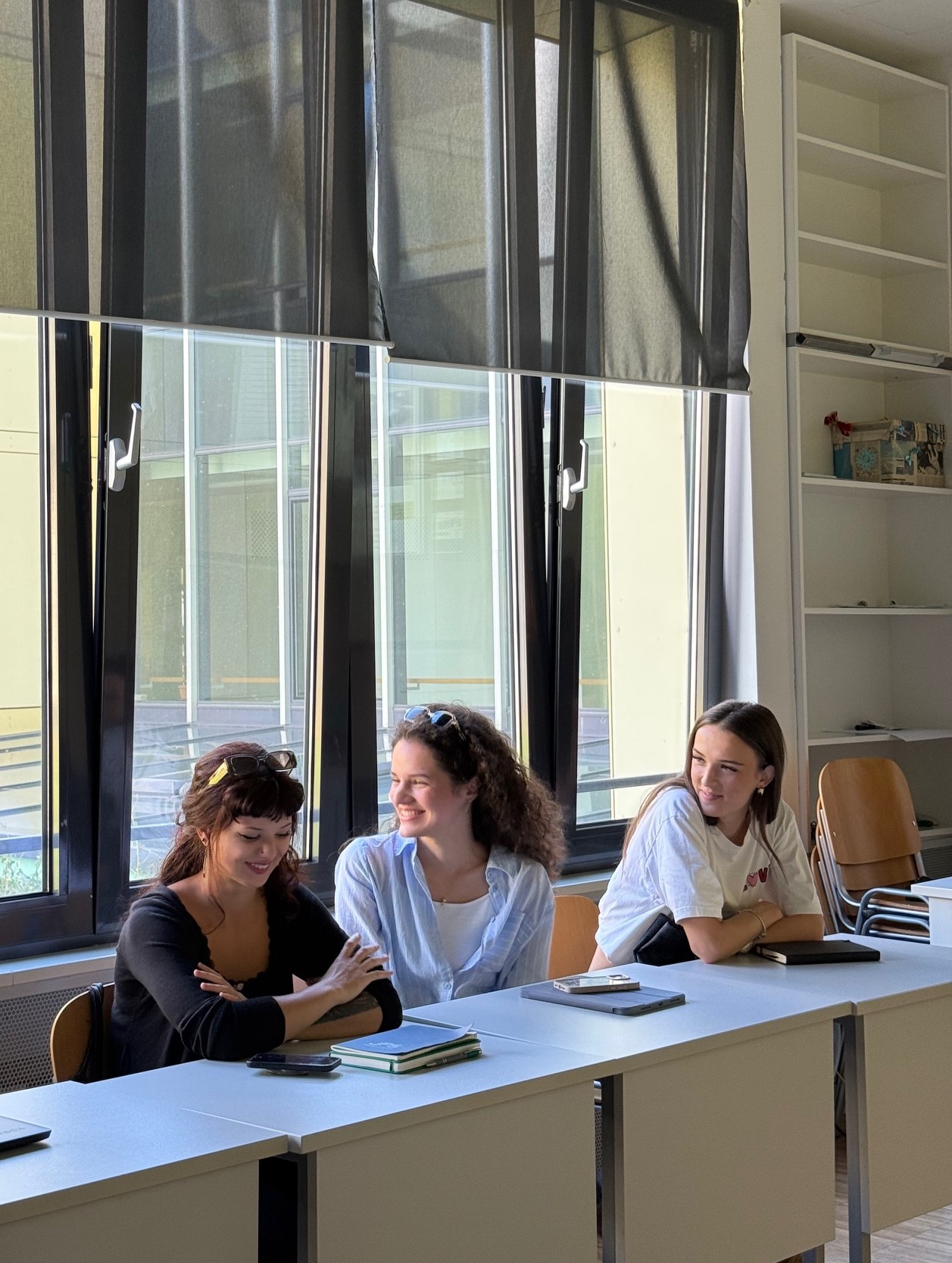
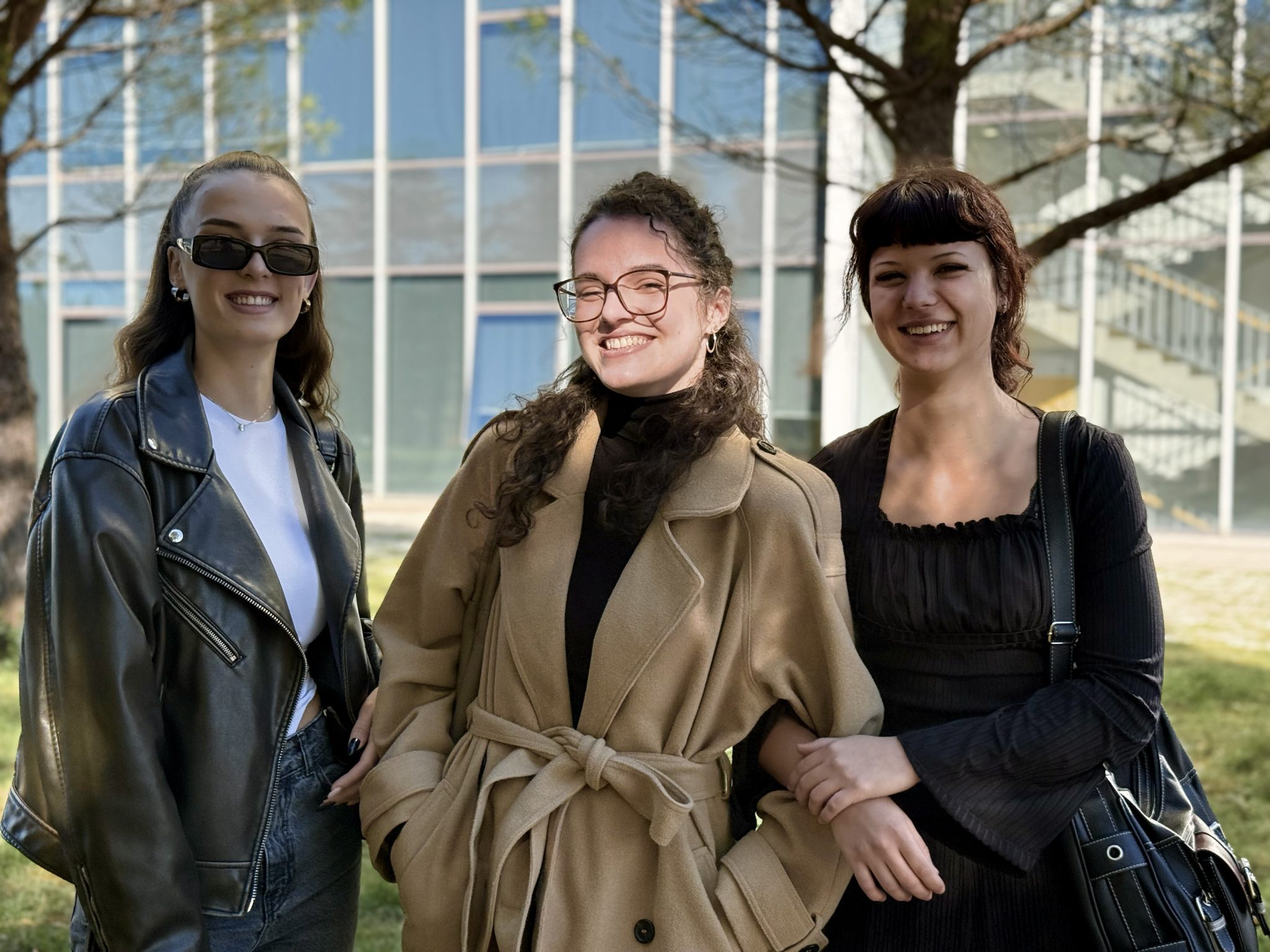
The first generation of YUFE’s Joint Bachelor counts as many as a hundred students, and the University of Rijeka has become a temporary home to Ella, Regina, Emanuella, and Zoe. Studying in a small group has brought something difficult to achieve in traditional studies – a real connection.
Honestly, being part of a generation of only four students in Rijeka is a very special experience. The four of us connected immediately; we are constantly together – during lectures, projects, and of course, inevitably for coffee breaks, and I really feel like we have become very close in a short time. (Ella)
Classes organised in small groups imply a greater visibility, a more individual approach, and an atmosphere that encourages participation.
Since we are such a small group, the professors know us all well, have more time for us, and the atmosphere is much more relaxed than it would be in a large group. It is easier to ask questions, make comments, and join in discussions; there is no nervousness like in a full lecture hall.
Europe as a Campus
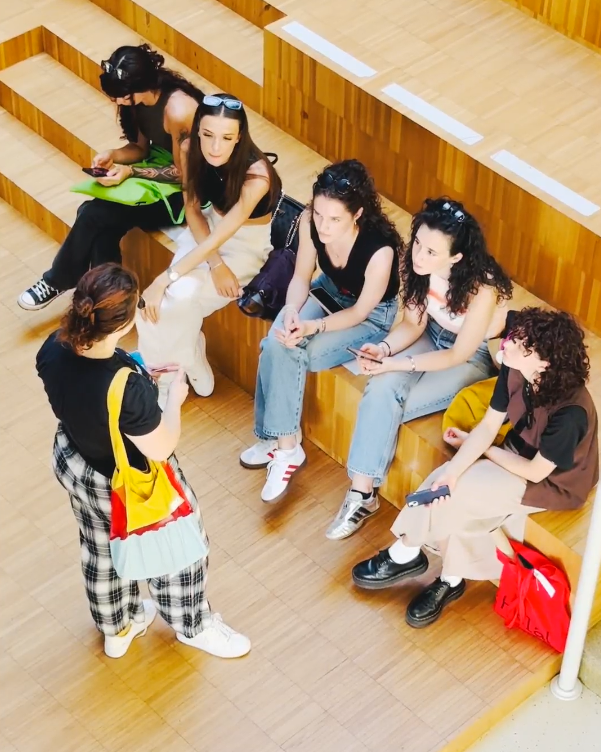
Studying in an international environment has many benefits that go beyond the curriculum: acquiring foreign languages, developing intercultural skills, and understanding different perspectives. Such an environment enriches not only students and teachers, but also the university and the local community.
As of next year, the students who spent their first year at another European university will be able to enroll in two minors offered at UNIRI. We expect more than 20 YUFE students who will spend part of their second year of study in Rijeka.
For Zoe, the possibility of studying in different countries was one of the main reasons to apply, and she will remember this experience with joy: I’m sure the experience will also have its challenges, especially because I will find myself immersed in a culture different from the one I’m used to, but I see it as a valuable opportunity for personal growth and a new positive experience.
Not on your own
A flexible curriculum and a large number of elective courses give students freedom and autonomy, but also require thoughtful orientation. That is why YUFE is introducing academic advising as a systematic support: a concept still little known in Croatian higher education. Advisors help the students choose their courses and minors, encourage the development of relevant competencies, and reflective monitoring of one’s own educational path.
Prof. Dr. Dubravka Božić Bogović, one of the three advisors in Rijeka, explains: The main role of an academic advisor is to provide students with support in planning and realizing their own learning paths that lead to the achievement of academic goals.
Join the next generation!
Applications for the new generation YUFE’s Joint Bachelor in Urban Sustainability Studies are now open. Detailed information is available on the following link.